
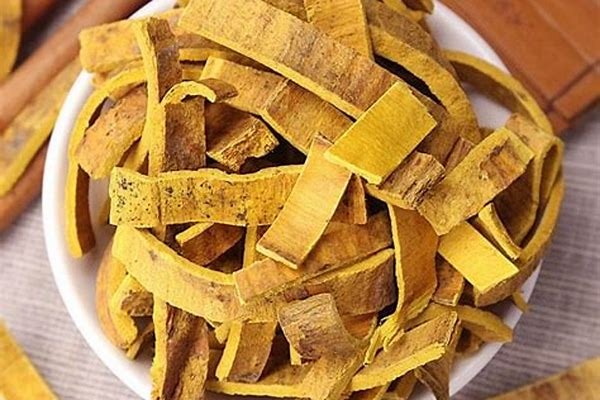
Phellodendron Bark – 1 lb (454 g)
Original price was: $107.80.$77.00Current price is: $77.00.
Phellodendron Bark (Huángbò) is a traditional Chinese medicine herb promoting wellness, vitality, immune support. This herbal supplement supports natural wellness, vitality, and holistic balance, offering a safe and time-tested remedy for daily herbal care.
Phellodendron Bark, known in Chinese as 黄柏 (Huángbò) and scientifically as Cortex Phellodendri, is a valued herb in traditional Chinese medicine (TCM). This TCM herb has been traditionally used to support natural wellness, maintain vitality, and encourage holistic balance. At TCMforyou.com, we provide premium-quality Phellodendron Bark carefully sourced to preserve its therapeutic properties.
As a herbal supplement, Phellodendron Bark helps promote overall well-being and supports natural energy, immunity, and balance. Integrating this herb into your wellness routine offers a gentle, time-tested approach to enhancing daily health. Whether brewed as tea, added to herbal remedies, or taken as part of a TCM formula, Phellodendron Bark provides a safe, natural way to experience the benefits of traditional Chinese medicine.
Trusted for centuries, Phellodendron Bark has been used in TCM to harmonize the body and encourage optimal functioning of key systems. At TCMforyou, we prioritize authenticity and quality. Each batch undergoes rigorous testing to ensure purity and potency, delivering an herbal product aligned with traditional practices.
Experience the natural support of Phellodendron Bark, promoting immune health, vitality, and holistic well-being. Embrace the wisdom of TCM and incorporate this gentle, effective herbal remedy into your daily wellness journey.
[Overview] This herb is also known as Bo Mu, Bo Pi, and Huang Bo. It is the bark of Phellodendron chinense Schneid. or Phellodendron amurense Rupr., plants of the Rutaceae family. The former is mainly produced in Sichuan, Hubei, Guizhou, Yunnan, Shaanxi, Guangxi, and other regions, commonly called “Chuan Huang Bo”; the latter is mainly produced in Liaoning, Jilin, Heilongjiang, Hebei, Inner Mongolia, and other regions, commonly called “Guan Huang Bo.” It is harvested in spring by semi-ring or full-ring peeling of the bark, then sun-dried to half dry, pressed flat, scraped clean of coarse bark, brushed clean, and dried.
[Properties] Bitter in taste, cold in nature. Enters the Kidney, Bladder, and Large Intestine meridians.
[Actions] Clears heat and dries dampness; drains fire and detoxifies.
[Applications]
1. Used for damp-heat strangury, leukorrhea, and weakness or numbness of the knees and feet. This herb specializes in treating damp-heat in the lower burner, such as damp-heat accumulation in the bladder causing painful, reddish, scanty urination; often combined with Che Qian Zi (Plantago seed) and Mu Tong (Akebia stem). For bloody strangury, it is combined with Da Xiao Ji (large thistle) and Bai Mao Gen (Imperata root). For damp-heat descending causing yellow leukorrhea, it can be combined with Bai Guo (Ginkgo seed), Che Qian Zi, and Qian Shi (Euryale seed), as in Yi Huang Tang. For damp-heat descending causing redness, swelling, and pain of the knees and feet with weakness of the lower limbs, it is often combined with Cang Zhu (Atractylodes), as in Er Miao San. For pain, numbness, and difficulty bending and stretching of the lower limbs, Niu Xi (Achyranthes) is added, as in San Miao Wan.
2. Used for damp-heat dysentery and jaundice. To treat large intestine damp-heat with severe hot dysentery, it can be combined with Huang Lian (Coptis), Bai Tou Weng (Pulsatilla), Qin Pi (Fraxinus bark), as in Bai Tou Weng Tang. To treat damp-heat jaundice, it can be combined with Zhi Zi (Gardenia), as in Zhi Zi Bai Pi Tang.
3. Used for kidney yin deficiency with hyperactive fire causing bone steaming and tidal fever, seminal emission, night sweating, and soreness and weakness of the lumbar region and knees; often combined with Zhi Mu (Anemarrhena) and Huang Bai, as in Zhi Bai Di Huang Wan; or combined with Shu Di Huang (Rehmannia) and Gui Jia (tortoise shell), as in Da Bu Yin Wan.
4. Used for mouth and tongue ulcers, red swollen painful eyes, and ulcerated sores with swelling and toxicity. For mouth ulcers, honey-fried Huang Bai powder combined with Qing Dai (Indigo naturalis) and Long Nao (Borneol) is ground into powder and applied to the sores. For red swollen painful eyes, it can be combined with Bai Ji Li (Tribulus), Gan Ju Hua (chamomile), and Sheng Di Huang (raw Rehmannia) decoction for internal use. For ulcerated sores with swelling and toxicity, Huang Bai powder can be mixed with egg white and applied topically, or combined with Da Huang (Rhubarb), Bai Ji (Bletilla), Bai Zhi (Angelica dahurica), and Chen Mi (old rice powder) ground into fine powder and mixed with honey for topical application, as in Liu He Wei Dan formula. For chronic ulcers, it is combined with Bai Jiao Xiang (benzoin), calcined gypsum, and Qing Dai for external application.
5. Used for skin eczema and burns from water or fire. For eczema, it can be combined with Ku Shen (Sophora root) and decocted for washing. For burns from water or fire, it can be combined with Di Yu (Sanguisorba) and Bai Ji ground into powder for topical application.
[Dosage and Administration] Internal use: decoction, 3–12 g; or incorporated into pills or powders. External use: appropriate amount, ground into powder for topical application or decocted for washing. To clear heat and drain fire, use raw; to clear deficiency heat, use salt-fried; to stop bleeding, use charred.
[Cautions] Contraindicated in cases of spleen deficiency with diarrhea and weak digestion with poor appetite.
[Modern Research]
1. Chemical constituents: Phellodendron bark mainly contains berberine, and small amounts of palmatine, magnoflorine, jatrorrhizine, columbamine, phellodendrine, and batrachotoxine alkaloids; also contains limonin, phellodendrone, and various sterols. Phellodendron chinense bark contains berberine, magnoflorine, palmatine, columbamine, lactones, and sterols.
2. Pharmacological effects: Decoctions or tinctures of Huang Bai inhibit and kill various pathogenic bacteria, leptospira, and pathogenic skin fungi; show selective inhibition of hepatitis B surface antigen; have some inhibitory effect on Trichomonas vaginalis; possess antipyretic effects; berberine has significant antidiarrheal and anti-inflammatory effects; alcohol extracts of Huang Bai, berberine, palmatine, and columbamine have varying degrees of antihypertensive effects; low doses of berberine stimulate myocardium, enhancing contractility with rapid onset; Huang Bai has notable antiarrhythmic effects; methanol extract of Huang Bai orally administered significantly inhibits acetic acid-induced ulcers in rats; berberine inhibits platelet aggregation and ATP release induced by ADP, arachidonic acid, collagen, and calcium ionophore A23187; Huang Bai and berberine both have hypoglycemic effects.
3. Clinical reports:
(1) Enteritis: Huang Bai, Ma Chi Xian (Portulaca), and Bai Tou Weng, each 50 g, decocted to 100 ml, plus 20 ml 2% procaine, retained as an enema once nightly. Treated 60 cases: 46 cured, 12 improved, 2 ineffective; total effective rate 96.7%. [Journal of Integrated Traditional and Western Medicine, 1984,(3):178]
(2) Chronic bronchitis: Used Tan Chuan Ning capsules (each containing 100 mg Huang Bai fruit volatile oil and 150 mg Ku Shen extract), 2 capsules orally twice daily. Treated 300 cases: 104 clinically controlled, 93 markedly effective, 94 improved, 9 ineffective; total effective rate 97%. [Journal of Integrated Traditional and Western Medicine, 1984,4(4):222]
(3) Chronic pharyngitis: 50% Huang Bai decoction supernatant 2 ml drawn into 5 ml syringe, maintained at 28–32°C, sprayed directly onto entire pharynx and posterior pharyngeal wall with No. 5 needle once daily for 5–6 days per course. Treated 34 cases: 9 cured, 24 effective, 1 ineffective; total effective rate 97.6%. [Heilongjiang Journal of Traditional Chinese Medicine, 1993,(1):32]
(4) Lower limb ulcers: Huang Bai and Da Huang ground into equal parts powder, mixed with boiling water into a paste, applied externally after routine disinfection every 2 days until swelling subsides and depressed flesh grows flat, then treated with pearl powder. Treated 36 cases: 29 cured, 6 markedly effective, 1 ineffective. [Heilongjiang Journal of Traditional Chinese Medicine, 1990,(5):40]
(5) Tinea of hands and feet: Huang Bai powder 50 g, camphor 5 g, salicylic acid powder 45 g, ground and packed in bags of 22 g each, soaked in 250 or 350 ml vinegar for hand and foot soaking. Treated 363 cases: 345 cured, 16 improved, 2 ineffective. [Jiangsu Journal of Traditional Chinese Medicine, 1986,7(7):11]
- Order Processing: Orders are usually processed after payment confirmation. Processing time may vary depending on product availability, order volume, and customs-related preparation requirements.
- Shipping Fees: Shipping costs are calculated based on the delivery destination, package weight, shipping method, and product type. For international orders, shipping fees may be higher due to distance, customs handling, and the special nature of herbal products.
- Delivery Time: Estimated delivery times may vary by country or region. International deliveries may take longer due to customs inspection, local postal services, holidays, weather conditions, or other delays beyond our control.
- Customs, Duties & Import Restrictions: Customers are responsible for checking whether the ordered products are permitted for import into their country or region. Any customs duties, taxes, import fees, or clearance requirements are the responsibility of the customer.
- Tracking Information: When tracking is available, tracking details will be provided after your order has been shipped. Please allow time for the tracking status to update after shipment.
For questions about shipping or delivery, please contact us before placing your order at service@tcmforyou.com .
- Return Eligibility: Returns may be accepted only for eligible products that are unused, unopened, undamaged, and in their original packaging. For hygiene, safety, and quality reasons, opened or used herbal products, herbal teas, personal wellness items, and downloadable digital products are generally not eligible for return.
- Damaged or Incorrect Items: If your order arrives damaged, defective, or incorrect, please contact us as soon as possible after delivery. Please include your order number and clear photos of the product and packaging so we can review the issue and provide assistance.
- Exchanges: Exchanges may be available for eligible products depending on product condition, availability, and the reason for the request. If the requested replacement item is unavailable, we may offer an alternative solution where appropriate.
- Return Shipping: Unless the return is due to our error, customers are responsible for return shipping costs. Original shipping fees, customs duties, import taxes, and other delivery-related charges are generally non-refundable.
- International Orders: For international shipments, returns may be affected by customs regulations, import restrictions, and shipping costs. If a package is delayed, rejected, returned, or confiscated by customs due to local import rules, we will review the situation where possible, but customs-related charges or losses may not be refundable.
To request return or exchange assistance, please contact us at service@tcmforyou.com .
Related Products
Mint Herb (Bòhe) is a traditional Chinese medicine herb promoting wellness, vitality, immune support. This herbal supplement supports natural wellness, vitality, and holistic balance, offering a safe and time-tested remedy for daily herbal care.
Fresh Ginger Rhizome (Shēngjiāng) is a traditional Chinese medicine herb promoting wellness, vitality, immune support. This herbal supplement supports natural wellness, vitality, and holistic balance, offering a safe and time-tested remedy for daily herbal care.
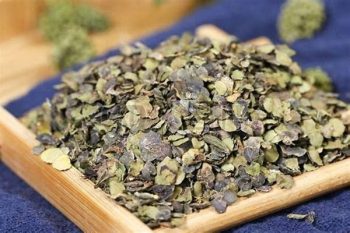
Duckweed Herb (Fúpíng) is a traditional Chinese medicine herb promoting wellness, vitality, immune support. This herbal supplement supports natural wellness, vitality, and holistic balance, offering a safe and time-tested remedy for daily herbal care.
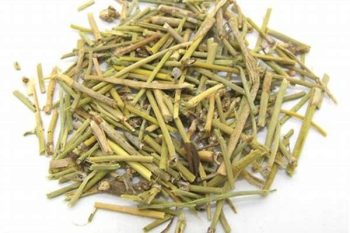
Ephedra Herb (Máhuáng) is a traditional Chinese medicine herb promoting wellness, vitality, immune support. This herbal supplement supports natural wellness, vitality, and holistic balance, offering a safe and time-tested remedy for daily herbal care.
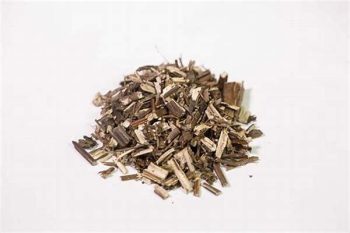
Perilla Stem (Zǐsūgěng) is a traditional Chinese medicine herb promoting wellness, vitality, immune support. This herbal supplement supports natural wellness, vitality, and holistic balance, offering a safe and time-tested remedy for daily herbal care.
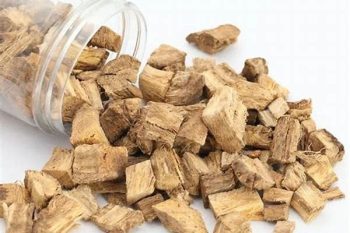
Pueraria Root (Gěgēn) is a traditional Chinese medicine herb promoting wellness, vitality, immune support. This herbal supplement supports natural wellness, vitality, and holistic balance, offering a safe and time-tested remedy for daily herbal care.
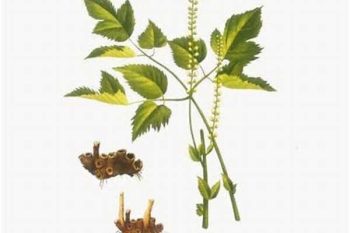
Cimicifuga Rhizome (Shēngmá) is a traditional Chinese medicine herb promoting wellness, vitality, immune support. This herbal supplement supports natural wellness, vitality, and holistic balance, offering a safe and time-tested remedy for daily herbal care.
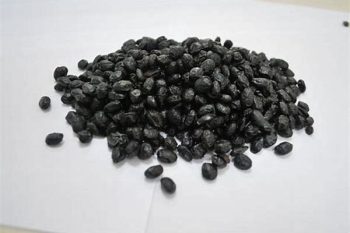
Fermented Soybean (Dàndòuchǐ) is a traditional Chinese medicine herb promoting wellness, vitality, immune support. This herbal supplement supports natural wellness, vitality, and holistic balance, offering a safe and time-tested remedy for daily herbal care.
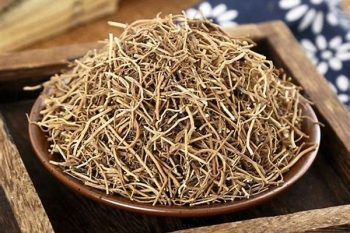
Asarum Herb (Xìxīn) is a traditional Chinese medicine herb promoting wellness, vitality, immune support. This herbal supplement supports natural wellness, vitality, and holistic balance, offering a safe and time-tested remedy for daily herbal care.
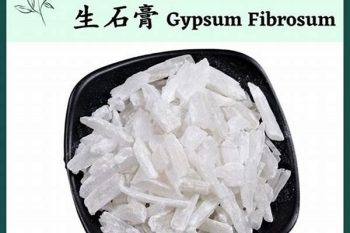
Gypsum Fibrosum (Shígāo) is a traditional Chinese medicine herb promoting wellness, vitality, immune support. This herbal supplement supports natural wellness, vitality, and holistic balance, offering a safe and time-tested remedy for daily herbal care.
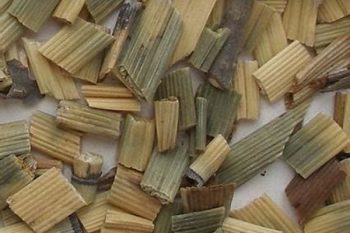
Common Scouring Rush Herb (Mùzéi) is a traditional Chinese medicine herb promoting wellness, vitality, immune support. This herbal supplement supports natural wellness, vitality, and holistic balance, offering a safe and time-tested remedy for daily herbal care.
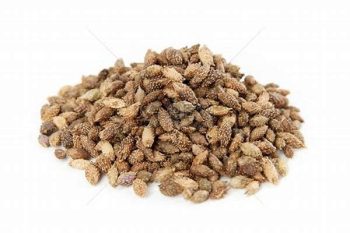
Xanthium Fruit (Cāng’ěrzǐ) is a traditional Chinese medicine herb promoting wellness, vitality, immune support. This herbal supplement supports natural wellness, vitality, and holistic balance, offering a safe and time-tested remedy for daily herbal care.