
Rhubarb Root – 1 lb (454 g)
Original price was: $88.20.$63.00Current price is: $63.00.
Rhubarb Root (Dàhuáng) is a traditional Chinese medicine herb promoting wellness, vitality, immune support. This herbal supplement supports natural wellness, vitality, and holistic balance, offering a safe and time-tested remedy for daily herbal care.
Rhubarb Root, known in Chinese as 大黄 (Dàhuáng) and scientifically as Radix et Rhizoma Rhei, is a valued herb in traditional Chinese medicine (TCM). This TCM herb has been traditionally used to support natural wellness, maintain vitality, and encourage holistic balance. At TCMforyou.com, we provide premium-quality Rhubarb Root carefully sourced to preserve its therapeutic properties.
As a herbal supplement, Rhubarb Root helps promote overall well-being and supports natural energy, immunity, and balance. Integrating this herb into your wellness routine offers a gentle, time-tested approach to enhancing daily health. Whether brewed as tea, added to herbal remedies, or taken as part of a TCM formula, Rhubarb Root provides a safe, natural way to experience the benefits of traditional Chinese medicine.
Trusted for centuries, Rhubarb Root has been used in TCM to harmonize the body and encourage optimal functioning of key systems. At TCMforyou, we prioritize authenticity and quality. Each batch undergoes rigorous testing to ensure purity and potency, delivering an herbal product aligned with traditional practices.
Experience the natural support of Rhubarb Root, promoting immune health, vitality, and holistic well-being. Embrace the wisdom of TCM and incorporate this gentle, effective herbal remedy into your daily wellness journey.
[Overview] This herb is also known as Jiangjun and Chuanjun. It is the root and rhizome of Polygonaceae plants: Rheum palmatum L. (Palm-leaf Rhubarb), Rheum palmatum Maxim. ex Balf. (Tangut Rhubarb), or Rheum officinale Baill. (Medicinal Rhubarb). Palm-leaf Rhubarb is produced in Shaanxi, Gansu, Qinghai, Sichuan, Yunnan, and other regions; Tangut Rhubarb is found in Gansu, Qinghai, Sichuan, and Tibet; Medicinal Rhubarb is produced in Henan, Shaanxi, Hubei, Sichuan, Guizhou, Yunnan, and other areas. It is harvested in late autumn when stems and leaves wither or before sprouting in early spring. After digging, fine roots are removed, the outer bark is scraped off, then sliced into flakes or sections, strung on cords for drying or dried directly.
[Properties] Bitter in taste, cold in nature. Enters the Stomach, Large Intestine, Liver, and Spleen meridians.
[Actions] Purges heat and promotes bowel movements; cools the blood and detoxifies; dispels blood stasis and unblocks menstruation.
[Applications]
1. Used for constipation due to excess accumulation and abdominal distension. For febrile diseases with fever, constipation, and abdominal distension and pain, it is combined with Zhishi (Fructus Aurantii Immaturus), Houpo (Cortex Magnoliae Officinalis), Mangxiao (Natrii Sulfas), as in Da Cheng Qi Tang or Xiao Cheng Qi Tang. For cold accumulation constipation with cold abdominal pain, cold extremities, and white tongue coating, it is combined with Fuzi (Radix Aconiti Lateralis Praeparata) and Xixin (Herba Asari), as in Da Huang Fu Zi Tang. For chronic constipation due to internal heat and dryness, it can be combined with Mazi Ren (Semen Cannabis) and Yuliren (Semen Pruni). For constipation with qi and blood deficiency, it is combined with Renshen (Radix Ginseng) and Danggui (Radix Angelicae Sinensis). For constipation due to yin fluid deficiency, it is combined with Sheng Dihuang (Radix Rehmanniae Glutinosae), Xuanshen (Radix Scrophulariae), and Maidong (Radix Ophiopogonis). For intestinal obstruction caused by parasites, rhubarb is added to antiparasitic formulas to promote expulsion by its purgative effect. Currently, rhubarb is commonly used to treat acute intestinal obstruction and acute pancreatitis.
2. Used for symptoms caused by fire evil rising upward, such as headache, red and swollen eyes, sore throat, swollen gums, mouth and tongue ulcers, especially when accompanied by constipation. Clinically often combined with Huangqin (Radix Scutellariae), Shanzhi (Fructus Gardeniae), San Lianqiao (Flos Forsythiae), as in Liang Ge San. For liver fire rising with red swollen eyes, rhubarb decoction or water infusion can be used for eye washing or drinking as tea; for mouth and tongue ulcers, decoction can be used for gargling or combined with Huanglian (Rhizoma Coptidis) and Qingdai (Indigo Naturalis) powder for topical application. For vomiting due to stomach fire rising, it can be combined with Gancao (Radix Glycyrrhizae), as in Xie Da Huang Gan Cao Tang.
3. Used for damp-heat dysentery, jaundice, urinary tract infections, and edema. For damp-heat accumulation causing dysentery with urgency and tenesmus, rhubarb can be used alone decocted in wine or combined with Huanglian, Shaoyao (Radix Paeoniae Alba), Muxiang (Radix Aucklandiae), Binglang (Fructus Arecae), as in Shaoyao Tang. For damp-heat jaundice, often combined with Yinchen (Herba Artemisiae Scopariae) and Shanzhi, as in Yinchenhao Tang. For damp-heat urinary tract infections with scanty, burning, and painful urination, often combined with Mutong (Caulis Akebiae), Shanzhi, Qu Mai (Herba Dianthi), and Huashi (Talcum), as in Ba Zheng San.
4. Used for various bleeding syndromes caused by blood heat recklessness. For hematemesis, epistaxis, and hemoptysis, often combined with Huanglian and Huangqin, as in Xie Xin Tang. For hematuria and blood strangury, combined with Baimaogen (Rhizoma Imperatae) and Xueyutan (charred residue of blood). Currently, rhubarb is commonly used to treat upper gastrointestinal bleeding; used alone as powder or combined with Baiji (Rhizoma Bletillae) powder and cuttlefish bone powder orally to enhance hemostatic effect; for epistaxis or traumatic bleeding, rhubarb powder can be used for nasal packing or topical application.
5. Used for amenorrhea, incomplete lochia after childbirth, abdominal pain due to blood stasis, masses and accumulations, and traumatic swelling and bruising in women. For amenorrhea with blood stasis and abdominal pain, combined with Yimucao (Herba Leonuri), Danggui, Honghua (Flos Carthami), Shaoyao; for masses and accumulations, combined with Sanleng (Rhizoma Sparganii), Ezhu (Rhizoma Curcumae), Danshen (Radix Salviae Miltiorrhizae), Shaoyao; for traumatic swelling and bruising, combined with Danggui, Honghua, Taoren (Semen Persicae), Ruxiang (Olibanum).
6. Used for heat toxin abscesses, erysipelas, ulcers, and burns. For heat toxin abscesses and erysipelas, combined with Lianqiao (Fructus Forsythiae), Baizhi (Radix Angelicae Dahuricae), Zihuadiding (Viola yedoensis), Pugongying (Herba Taraxaci); for intestinal abscess, combined with Danpi (Cortex Moutan), Taoren, Dongguazi (Semen Benincasae), Mangxiao, as in Da Huang Mudan Pi Tang. Currently, rhubarb is often combined with Jinyinhua (Flos Lonicerae), Pugongying, Hongteng (Caulis Sargentodoxae), Baijiangcao (Herba Patriniae) to treat acute appendicitis.
Additionally, rhubarb is commonly used to treat chronic renal insufficiency and uremia, often administered as powder orally, decoction retained as enema, or raw decoction, which can significantly reduce non-protein nitrogen and blood creatinine, increase carbon dioxide combining power, increase urine output, relieve subjective symptoms, and improve renal function.
[Dosage and Administration] Internal use: decoction 3–30 g; due to strong purgative effect, prolonged decoction is not recommended, or soak in water for oral use; powder 0.5–2 g; or soak in water for drinking. External use: appropriate amount, powder applied as paste or decoction for washing and topical application; can also be used as enema. Raw rhubarb has strong purgative effect and is preferred for purging; processed rhubarb has reduced purgative effect but stronger blood-activating and fire-purging properties; wine-processed rhubarb is used mainly for fire evil rising symptoms; charred rhubarb is mainly used for bleeding syndromes.
[Cautions] Use with caution in patients with spleen and stomach deficiency cold, weak constitution, during menstruation, and before and after childbirth. This herb is very bitter and cold, easily injuring stomach qi; those with weak stomach may experience loss of appetite, nausea, vomiting, and other side effects, which generally resolve after discontinuation.
[Modern Research]
1. Chemical constituents: Rhubarb contains anthraquinone derivatives, tannins, and organic acids. Free anthraquinones include rhein, aloe-emodin, emodin, emodin methyl ether, and chrysophanol; combined anthraquinones include emodin methyl ether 8-glucoside, aloe-emodin 8-glucoside, chrysophanol 1-glucoside; dianthrone compounds include palmatum dianthrones A, B, C, sennosides A, B, C, D. It also contains resin, epicatechin, gallic acid esters, and galloyl glucose.
2. Pharmacological effects: Sennosides in rhubarb have laxative effects, but prolonged heating reduces this effect; decoction for 30–60 minutes is optimal. Rhubarb promotes bile secretion and increases bilirubin and bile acid content; it has antibacterial, antifungal, and antiviral effects; significantly inhibits various experimental inflammations in animals; contains chrysophanol, emodin methyl ether, α-epicatechin, and gallic acid with hemostatic effects; also has antitumor, lipid-lowering, diuretic, and hepatoprotective effects.
3. Clinical reports:
– Acute pancreatitis: Four groups treated with four rhubarb preparations (raw decoction, granules, syrup, processed tablets) orally; maximum daily doses: decoction 500 g, granules 125 g, syrup 120 ml, tablets 100 tablets; total 266 cases treated (111 decoction, 53 granules, 26 syrup, 76 tablets); 7 failures; total effective rate 97%. [Shanghai Journal of Traditional Chinese Medicine, 1990,(7):1]
– Severe pancreatitis with gastrointestinal bleeding: 34 patients randomized into rhubarb group and control; both received early enteral nutrition, rhubarb group additionally treated with rhubarb; observed bleeding warning indicators and clinical symptoms; rhubarb group had significantly fewer OB++ positive cases (P<0.05), improved GI symptoms, and shorter abdominal distension relief time (P<0.05). [Chinese Journal of Modern Medicine, 2003,13(17):118]
- Cerebral hemorrhage complicated by upper GI bleeding: 26 controls without preventive drugs, 29 treated with rhubarb powder 5.0 g twice daily; all had nasogastric tubes; gastric juice pH measured on days 0, 2, 4, 6; rhubarb group had 3.4% incidence of upper GI bleeding vs. 42.3% in controls (P<0.05); gastric pH significantly higher in treatment group (P<0.01). [Journal of Internal Medicine Critical Care, 2001,7(3):130]
- Acute gastric and duodenal ulcer bleeding: Three groups treated with three rhubarb ethanol extract tablets (I: medicinal rhubarb, II: palm-leaf rhubarb, III: Tangut rhubarb), each tablet 0.26 g (equivalent to 1 g raw herb), 3 tablets orally three times daily; total 312 cases; total effective rate 92.1%. [Journal of Integrated Traditional and Western Medicine, 1990,(3):150]
- Acute icteric hepatitis: Rhubarb injection (0.5 g raw herb per ml) 40–60 ml added to 10% glucose injection, IV drip once daily; serum bilirubin reduced to below 85.5 μmol/L (5 mg%) before stopping; 100 cases treated with significant bilirubin reduction. [Beijing Traditional Chinese Medicine, 1989,(2):25]
- Acute intestinal obstruction: Processed rhubarb powder taken with hot water or via gastric tube, 9 g per dose (half dose for elderly and children), twice daily; 44 cases treated; effective rate 97.7%. [Shaanxi Traditional Chinese Medicine, 1984,(8):33]
- Hyperlipidemia: Rhubarb granules (6 g per packet) orally once daily before sleep for 60 days; 35 cases treated; total cholesterol reduction effective rate 87%, triglycerides 71%, beta-lipoprotein 60%. [Shanghai Journal of Traditional Chinese Medicine, 1991,(6):31]
- Seborrheic dermatitis: Rhubarb 100 g and borneol 20 g soaked in 250 g vinegar to make tincture; after 7 days, disinfect affected area with 75% ethanol, then apply tincture 3–4 times daily; 45 cases treated; 20 cured, 15 markedly effective, 5 effective, 5 ineffective. [Shanghai Journal of Traditional Chinese Medicine, 1988,(9):34]
- Acute intraventricular hemorrhage: 72 patients randomized into treatment (35) and control (37) groups; both received integrated Chinese and Western medicine; treatment group added rhubarb to formula, control added water buffalo horn; treatment group had 10 cured, 8 markedly improved, 9 improved, 1 unchanged, 7 worsened or died; total effective rate 77.14%; control group total effective rate 54.05%; difference significant (P<0.05). [Chinese Journal of Emergency Traditional Chinese Medicine, 2003,12(4):307]
- Gastrointestinal dysfunction and multiple organ dysfunction syndrome (MODS) after shock: 67 patients divided into rhubarb and non-rhubarb groups; rhubarb group had 82.3% GI dysfunction remission rate vs. 42.4% in non-rhubarb (P<0.01); rhubarb shortened GI dysfunction duration; MODS incidence 29.4% vs. 63.6%, mortality 20.0% vs. 66.7%, significant difference. [Chinese Journal of Emergency Medicine, 2003,23(1):38]
- Chronic renal failure: 42 patients in prospective controlled clinical study to observe rhubarb treatment and long-term efficacy; 28 months follow-up showed long-term low-dose oral rhubarb effectively delayed progression of chronic renal failure; rhubarb group had 22.7% progression to end-stage renal failure vs. 55.0% in control. [New Chinese Medicine, 2001,33(5):51]
- Order Processing: Orders are usually processed after payment confirmation. Processing time may vary depending on product availability, order volume, and customs-related preparation requirements.
- Shipping Fees: Shipping costs are calculated based on the delivery destination, package weight, shipping method, and product type. For international orders, shipping fees may be higher due to distance, customs handling, and the special nature of herbal products.
- Delivery Time: Estimated delivery times may vary by country or region. International deliveries may take longer due to customs inspection, local postal services, holidays, weather conditions, or other delays beyond our control.
- Customs, Duties & Import Restrictions: Customers are responsible for checking whether the ordered products are permitted for import into their country or region. Any customs duties, taxes, import fees, or clearance requirements are the responsibility of the customer.
- Tracking Information: When tracking is available, tracking details will be provided after your order has been shipped. Please allow time for the tracking status to update after shipment.
For questions about shipping or delivery, please contact us before placing your order at service@tcmforyou.com .
- Return Eligibility: Returns may be accepted only for eligible products that are unused, unopened, undamaged, and in their original packaging. For hygiene, safety, and quality reasons, opened or used herbal products, herbal teas, personal wellness items, and downloadable digital products are generally not eligible for return.
- Damaged or Incorrect Items: If your order arrives damaged, defective, or incorrect, please contact us as soon as possible after delivery. Please include your order number and clear photos of the product and packaging so we can review the issue and provide assistance.
- Exchanges: Exchanges may be available for eligible products depending on product condition, availability, and the reason for the request. If the requested replacement item is unavailable, we may offer an alternative solution where appropriate.
- Return Shipping: Unless the return is due to our error, customers are responsible for return shipping costs. Original shipping fees, customs duties, import taxes, and other delivery-related charges are generally non-refundable.
- International Orders: For international shipments, returns may be affected by customs regulations, import restrictions, and shipping costs. If a package is delayed, rejected, returned, or confiscated by customs due to local import rules, we will review the situation where possible, but customs-related charges or losses may not be refundable.
To request return or exchange assistance, please contact us at service@tcmforyou.com .
Related Products
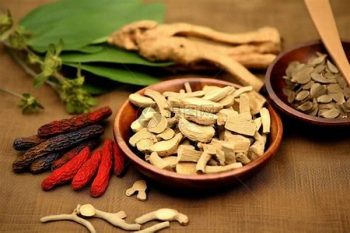
Saposhnikovia Root (Fángfēng) is a traditional Chinese medicine herb promoting wellness, vitality, immune support. This herbal supplement supports natural wellness, vitality, and holistic balance, offering a safe and time-tested remedy for daily herbal care.
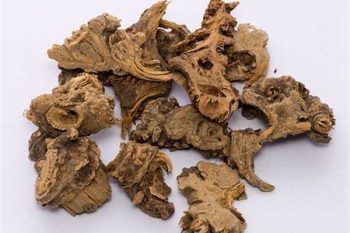
Ligusticum Rhizome (Gǎoběn) is a traditional Chinese medicine herb promoting wellness, vitality, immune support. This herbal supplement supports natural wellness, vitality, and holistic balance, offering a safe and time-tested remedy for daily herbal care.
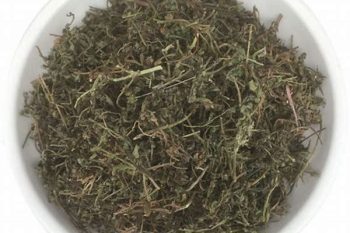
Centipeda Herb (ébùshícǎo) is a traditional Chinese medicine herb promoting wellness, vitality, immune support. This herbal supplement supports natural wellness, vitality, and holistic balance, offering a safe and time-tested remedy for daily herbal care.
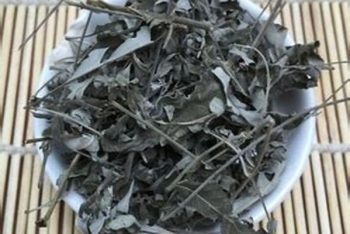
Negundo Chastetree Leaf (Mǔjīngyè) is a traditional Chinese medicine herb promoting wellness, vitality, immune support. This herbal supplement supports natural wellness, vitality, and holistic balance, offering a safe and time-tested remedy for daily herbal care.
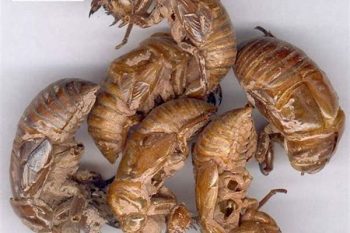
Cicada Slough (Chántuì) is a traditional Chinese medicine herb promoting wellness, vitality, immune support. This herbal supplement supports natural wellness, vitality, and holistic balance, offering a safe and time-tested remedy for daily herbal care.
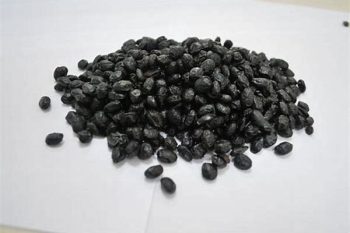
Fermented Soybean (Dàndòuchǐ) is a traditional Chinese medicine herb promoting wellness, vitality, immune support. This herbal supplement supports natural wellness, vitality, and holistic balance, offering a safe and time-tested remedy for daily herbal care.
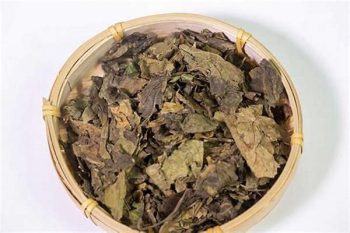
Mulberry Leaf (Sāngyè) is a traditional Chinese medicine herb promoting wellness, vitality, immune support. This herbal supplement supports natural wellness, vitality, and holistic balance, offering a safe and time-tested remedy for daily herbal care.
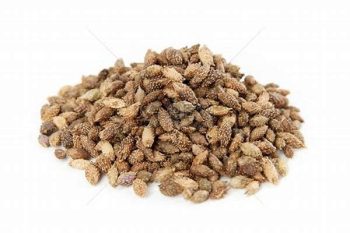
Xanthium Fruit (Cāng’ěrzǐ) is a traditional Chinese medicine herb promoting wellness, vitality, immune support. This herbal supplement supports natural wellness, vitality, and holistic balance, offering a safe and time-tested remedy for daily herbal care.
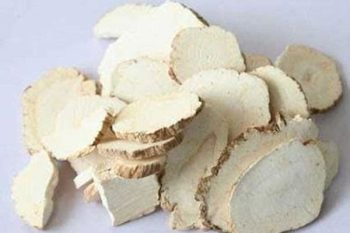
Taiwan Angelica Root (Báizhǐ) is a traditional Chinese medicine herb promoting wellness, vitality, immune support. This herbal supplement supports natural wellness, vitality, and holistic balance, offering a safe and time-tested remedy for daily herbal care.
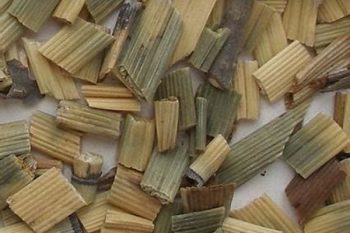
Common Scouring Rush Herb (Mùzéi) is a traditional Chinese medicine herb promoting wellness, vitality, immune support. This herbal supplement supports natural wellness, vitality, and holistic balance, offering a safe and time-tested remedy for daily herbal care.
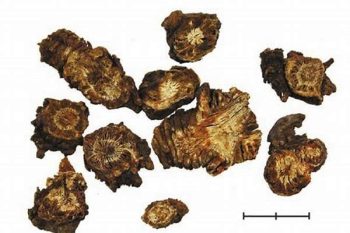
Notopterygium Rhizome and Root (Qiānghuó) is a traditional Chinese medicine herb promoting wellness, vitality, immune support. This herbal supplement supports natural wellness, vitality, and holistic balance, offering a safe and time-tested remedy for daily herbal care.
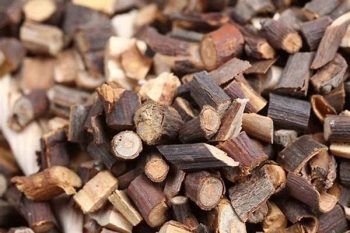
Cinnamon Twig (Guìzhī) is a traditional Chinese medicine herb promoting wellness, vitality, immune support. This herbal supplement supports natural wellness, vitality, and holistic balance, offering a safe and time-tested remedy for daily herbal care.